
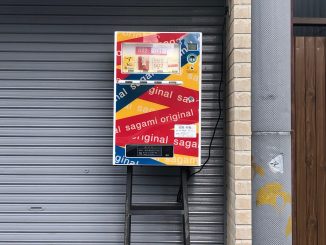
Japan’s long-standing reputation as a “vending machine superpower” is beginning to fade, as rising prices and changing consumer habits push more people away from the country’s iconic drink machines.
Younger consumers in particular say they are using vending machines far less frequently than before. One person in their twenties noted that drinks which once cost around 100 yen now approach 200 yen, making them far less appealing compared to other options. Others say they simply do not notice vending machines as often anymore or have stopped relying on them entirely.
Many consumers now prefer convenience stores, supermarkets, or discount retailers, where bottled beverages are often sold at lower prices. Some also point to stores like Don Quijote, which frequently offer discounted drinks that undercut vending machine prices.
The shift is already affecting major beverage companies. Ito En reported a 13.7 billion yen loss in its vending machine business in its fiscal year ending January 2026, while Coca-Cola Bottlers Japan Holdings recorded a 90.4 billion yen loss in its fiscal results for the year ending December 2025.
Facing rising maintenance costs and labor shortages, some companies are leaving the vending machine business entirely. Pokka Sapporo Food & Beverage announced plans to sell its vending machine operations to Life Drink Company, with the transaction expected to be completed around October 2026.
Meanwhile, DyDo Group Holdings plans to remove about 20,000 machines from its network of roughly 270,000 vending machines nationwide after reporting a record 30.3 billion yen net loss in fiscal 2025.
To stay competitive, some companies are experimenting with new ideas beyond selling drinks. DyDo has introduced vending machines that sell diapers, launched in 2019 in partnership with Daio Paper, with around 800 machines currently in operation. A curious decision considering Japan’s plummeting birth rates. The company has also expanded machines selling snacks and developed small “mini convenience store” setups inside corporate offices.
Despite these efforts, the overall number of vending machines in Japan continues to shrink. The total peaked at about 5.6 million machines in 2000, but had fallen to roughly 3.9 million units in recent years.
Be the first to comment