Japan’s Japanese population just slipped under 120 million for the first time in more than 40 years. That’s 17 years of decline in a row, and the biggest single-year drop on record.
At the same time, foreign residents crossed 4 million. Not a coincidence. Births keep falling, the country keeps aging, and whole sectors — care work, transport, factories, convenience stores — already lean on people who weren’t born here. In some cities, more than half the part-time staff behind the konbini counter are foreign students.
That’s the backdrop. Then you get the politics.
Tighten the rules, keep the slogan
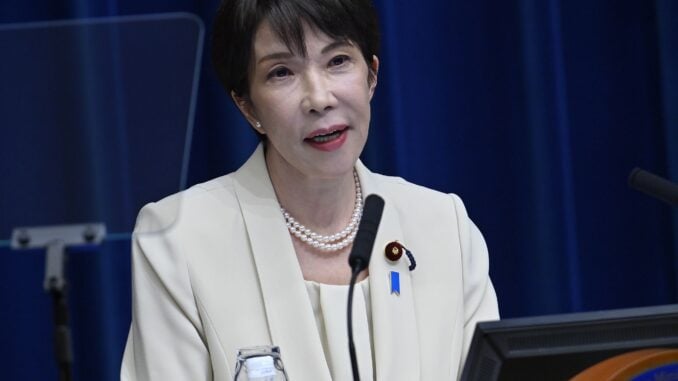
Prime Minister Sanae Takaichi came in talking about reviewing foreigner policy from a “zero base.” The government has followed through on a lot of that. Permanent residency is getting harder and more expensive. One proposal would set the income bar for PR higher than the average Japanese household income — which knocks out a lot of the people actually doing care work, hospitality, agriculture, and factory jobs. Naturalization rules are being tightened. There’s a “zero illegal overstayers” push, a Japan-version travel authorization system in the works, and a crackdown on the “business manager” visa that slashed new applications.
The official branding for all of this is not “keep them out.” It’s “orderly coexistence” — chitsujo aru kyōsei. There’s even a minister and a Cabinet office for it. Takaichi has said she doesn’t want Japan to look unfriendly to foreigners.
That last part is what set the internet on fire.
What her old cheerleaders wanted
A chunk of the online right heard “zero base” and assumed it meant stop the inflow, shrink the numbers, end the coexistence talk. They watched her government keep using the word kyōsei and treated it like a betrayal.
From their side, the complaint is simple: you campaigned like you were going to hit the brakes. Instead you’re still talking about living together, Japanese-language programs, and not looking hostile. Tightening visas is not the same as reversing the last decade.
From the government’s side, the line is also simple: most foreigners follow the rules, problem cases get dealt with, and the country still needs workers. Coexistence, but with order. That’s the pitch.
Both things can be true at once. The LDP needed someone who could pull votes from parties running harder “Japanese first” messages. Takaichi was that candidate. Now the people who wanted the hardest version of that message are angry she won’t go all the way — and the industries that actually hire foreign staff are looking at PR rules that would lock a lot of those workers into temporary status forever.
The awkward math
Japan can debate tone all day. The numbers don’t care.
Japanese citizens: down again, under 120 million.
Foreign residents: up again, over 4 million.
Care homes and rural employers: still short-staffed.
Online comment sections: still furious that the prime minister used the word “coexistence.”
That’s the current split. One Japan is running out of people. Another Japan wants the foreign population treated as a problem to be managed down. The government is trying to sound like both at the same time. The hard right heard the second half of the campaign and is now mad about the first half of the press conference.